

Just back from three weeks of working out of Hawaii, with one number on my mind. Post two of our Founder series on building Chasing Creative.
This week I'm regrouping.
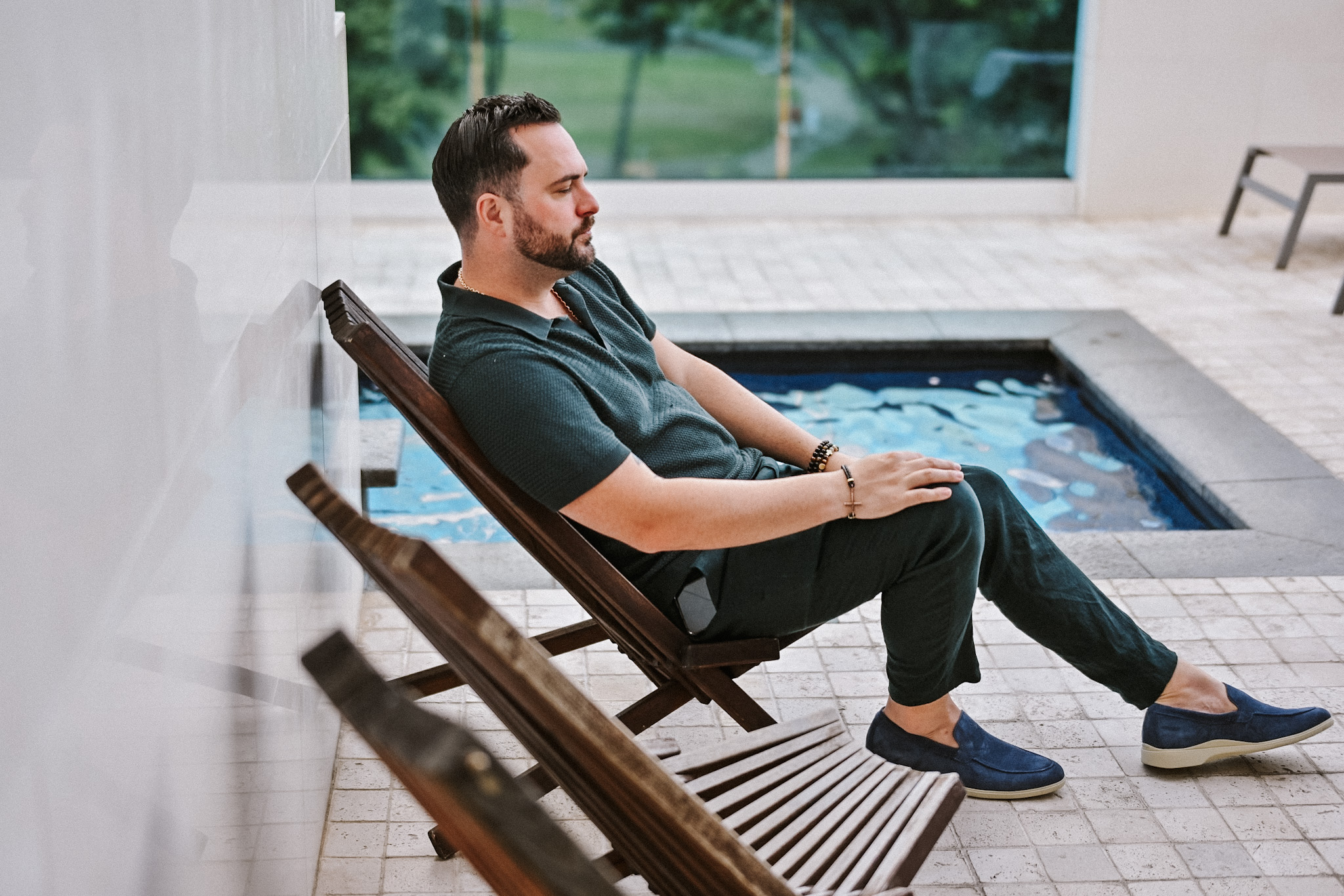
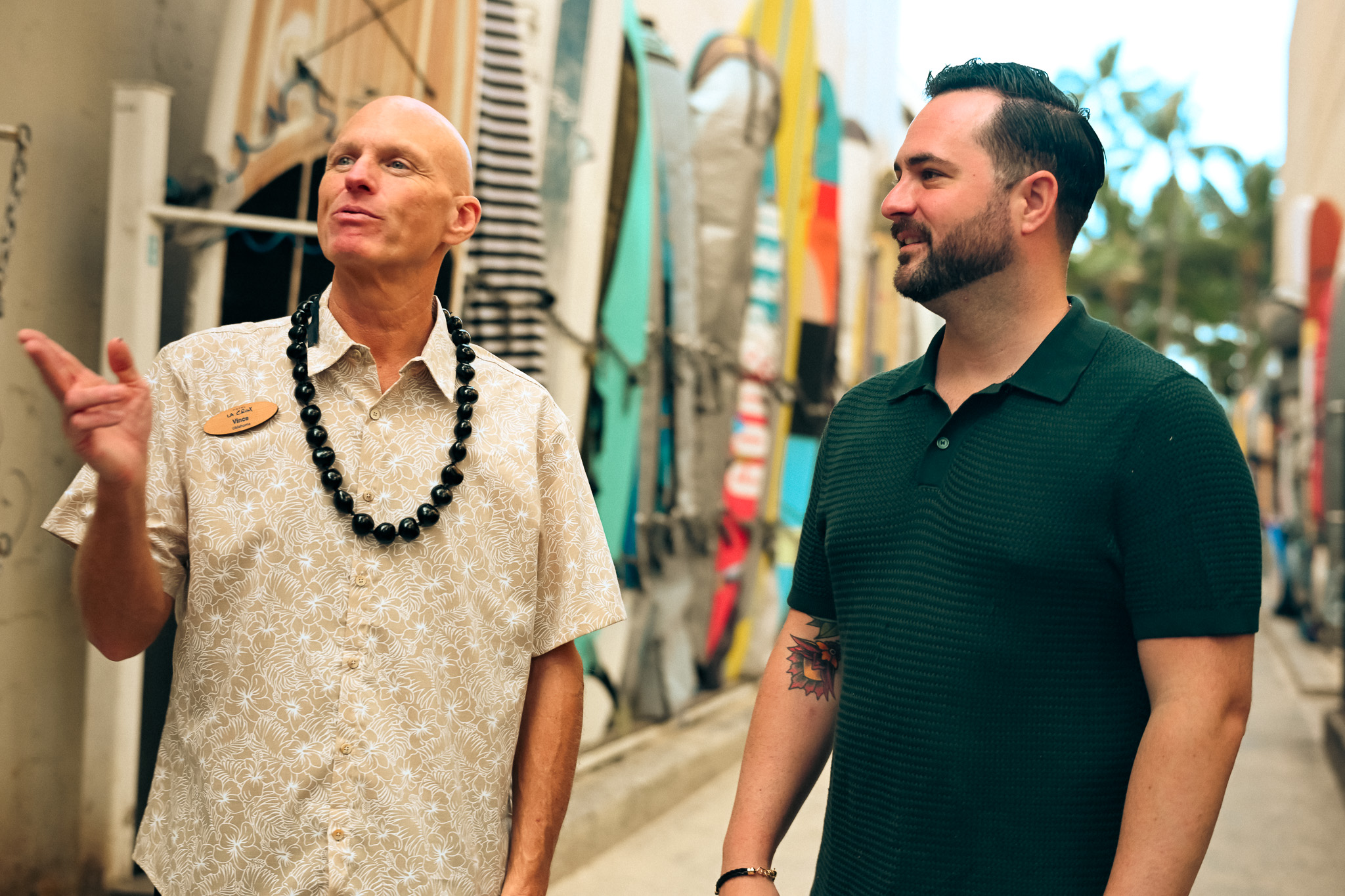
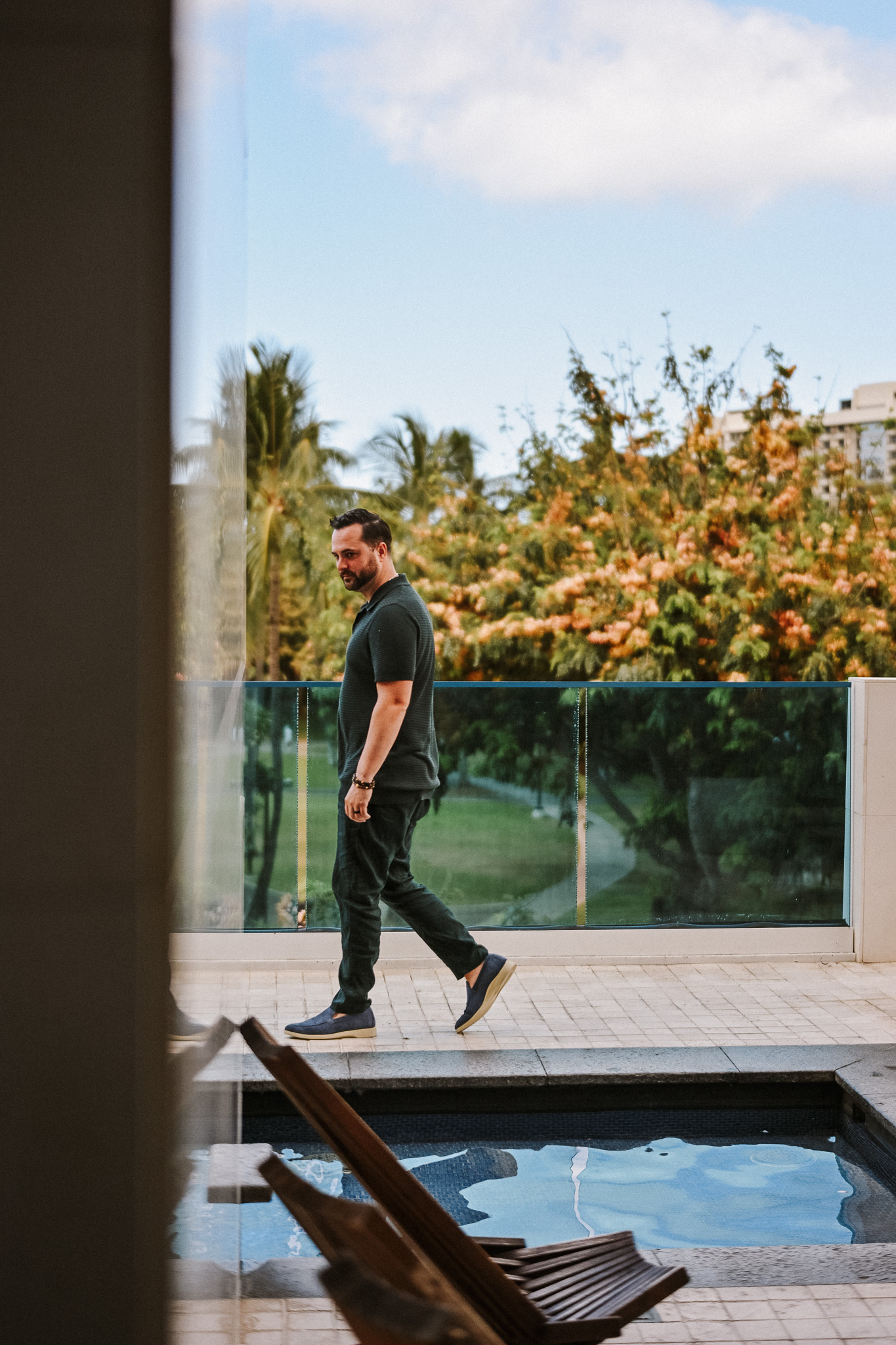
For the last three weeks, "the office" was Hawaii. We worked our way from Oahu to Kauai, on-site with our infrastructure clients and with hospitality brands like hotels and restaurants along the way. More on that soon. The photo gallery is coming.
This is the part of the job I want to do more of. Not the travel for travel's sake, but the work that happens when you're physically present with the people building things that matter. Data centers, smart infrastructure, critical systems. The kind of work that doesn't lend itself to a Zoom call. You need to stand in the room, see the scale of it, understand the stakes. That's where the best creative work comes from.
But this is the part I keep coming back to.
This month, Chasing Creative hit the highest MRR it has reached since we launched about two and a half years ago.
I want to be clear about what that does and doesn't mean. It isn't the most money we've ever made in a single month. Not by a long shot. What it is, is a signal. Proof that slow and steady growth is real, and that it takes time.
If you build anything, you know how hard that sentence is to sit with.
Here's the thing nobody warns you about. I've worked inside corporate companies, and I've worked inside startups. The two run on completely different engines. When it's your company, you feel the pull between them every single day. I know that if I pulled all the right levers, I could run this place more like a corporation than a startup. I understand the machine well enough to do it.
Instead, we run a hybrid. On purpose.
Clients tell us it's why they stay. We bring the corporate know-how and the scar tissue from past experience, then we mesh it with the angst and the hustle of a startup that just needs to get the thing done. Polished, but still hungry.
We also bring something most agencies can't: actual technical fluency. When a client talks about their smart building platform or their data center expansion, we don't need a translator. We've been in those rooms. We know the difference between a UPS and a PDU, between Casambi and DALI, between prop tech and proptech. That depth changes the work. It means we can write copy that doesn't get fact-checked by their engineers. It means we can shoot video that captures the actual value, not just the surface gloss.
The part of the business nobody sees
If you've ever started anything, you already know the real hurdle. It isn't talent. It isn't ideas. It's cash flow.
Knowing how to deploy money. Knowing when to spend it.
There's a shelf full of business books that compare this to flying a plane you're still building, or sewing a parachute after you've already jumped. I get the imagery. I just don't think in metaphors. I think in data.
Funds come in. Funds go out.
You need money to live on. You need money to feed back into the business, because without that it doesn't grow an ounce. And then there are the operating costs, the quiet ones, the ones most clients never see. The tools. The systems. The infrastructure behind the work that makes the work possible.
From there, you have a choice.
You can pull back, protect every dollar, and stop investing. Or you can double down, give clients the best value you possibly can, and keep reminding them of what's running in the background on their behalf.
Run the math on a single invoice and it tells the whole story. Take the invoice, subtract taxes, subtract tools, and look at what's left. Divide that by the hours behind it. Suddenly the number that looked aggressive on the surface looks a lot more reasonable. The bigger the client, the less I ever have to explain this. Higher revenue companies already understand cost and investment. They expect it.
Why I won't raise prices just because the world got more expensive
SaaS tools creep up in price. AI is now part of daily life for everyone, and if you lean on it as much as we do, you know it isn't cheap.
The easy move would be to pass all of that straight to clients.
We decided not to.
Instead, we went back into our own house and rebuilt the systems. We moved off Monday and onto ClickUp. The savings look small on paper. But I'm already feeling the difference. More tools, better optionality, and far smoother integration with AI than Monday offered. Monday was the new kid on the block in project management once. Lately it feels like the slower mover.
That choice sums up how I would rather grow. Fix your own costs before you raise someone else's.
The same logic applies to how we build. We're not just an agency anymore. We're building our own products too. Reply Revive, our email-based SaaS, is in active development. We have a utility patent pending for a flexible lighting apparatus. A trademark in the works. And we're constantly prototyping new tools, both for our own use and for the market. Some of them will work. Some won't. But the act of building keeps us sharp. It keeps us honest. It means when we tell a client to invest in innovation, we're not giving advice we don't take ourselves.
How an agency like ours survives
So how does a shop like ours stay alive and grow? How do we measure ourselves?
It comes back to that one number. MRR.
If we're doing our job, we keep the clients we have and we add new ones slowly. And I mean slowly on purpose. We don't want ten clients tomorrow. We're not built to hold ten clients tomorrow. What we want is two to three a month, joining on a starter package and scaling with us over time.
That's the model that works. You start small, and you grow into us.
We have one client right now who owns multiple entities, and over the next several weeks they're expanding from one property to another, and eventually to all of them. One relationship that compounds into many. Do that with three or four companies and you've built something healthy. That's the point where you can start hiring full-time and truly scale.
But scale has a trap built into it.
You don't always need a big full-time team. That's exactly where costs balloon for larger agencies, where cash flow tightens and burn rate climbs. What we need are part-time experts. The vetted professionals in our collective. People who run their own thing but still want to be part of a team. That's how we started, and it's still the engine we're building on.
So what's next?
Double the MRR.
That's it. That's the goal, and it has been the goal. The number hasn't changed, and we'll get there the same way we got here. Hold on to the clients we have, and add the same kinds we already know how to serve. A couple of anchor clients. Several in the mid to small tier.
The smaller ones come with low commitment and lower expectations, which is a win for everyone. The higher-end clients tend to book services and then stack projects on top, because they have both the cash flow to do it and the demand to match. They already know they should be investing real money into media and marketing. For their infrastructure properties. For their brands. For the business as a whole.
This is where the personal brand becomes an asset, not a vanity project. When I write here, when I post on LinkedIn, when I show up in a client's inbox with something useful instead of something promotional, I'm building a relationship before I ever pitch a service. The content isn't separate from the business. It is the business. It's the reason someone replies to a cold email. It's the reason a referral says "I've been reading your stuff for months" instead of "Who are you again?"
We also use our own work as proof of concept. The videos we shoot for clients, the websites we build, the automations we run. All of it is documented, systematized, and turned into case studies before we ever pitch the next client. Our portfolio isn't a PDF. It's a living archive of work that speaks for itself.
Slow is not stalled.
Slow is the strategy.
And two and a half years in, the number on the screen is finally starting to agree with me.
If you're building something right now and it feels like you're moving at half speed while everyone else is sprinting, consider this: the sprint is a trap. The sprint leads to burnout, to broken systems, to clients who signed up for one thing and got something else because you were too busy chasing the next thing to deliver on the last one.
Build the thing. Let it compound. And trust that the right people will find you when you've built something worth finding.
If you want to follow along, I'll keep writing here about the systems we're building, the clients we're learning from, and the mistakes that teach us more than the wins. You can subscribe below or check back for the next installment.
I write about brand, media, and the creator business on LinkedIn most weeks.
Follow on LinkedIn"Photos are gorgeous and he knows how to capture people's expressions in a unique way... I consider him one of my best photographers in my arsenal."
Join the Conversation Today!
Subscribe for insights, share your thoughts, and connect with a community of passionate readers.

Connect with Blake Today
Ready to elevate your brand? Reach out and let's create something extraordinary together.
.avif)
FAQs
Here are some common questions related to our blog posts.
A blog is a platform for sharing ideas, insights, and information. It allows individuals or businesses to connect with their audience. Regular updates can help build a community and establish authority.
Begin by choosing a niche that interests you. Set up a blogging platform and create quality content. Consistency and engagement with your audience are key to success.
SEO, or Search Engine Optimization, helps improve your blog's visibility online. It drives organic traffic by optimizing content for search engines. This can lead to increased readership and engagement.
Promote your posts through social media channels and email newsletters. Collaborating with other bloggers can also expand your reach. Engaging with your audience through comments and discussions fosters community.
Content marketing involves creating valuable content to attract and retain an audience. It focuses on providing useful information rather than directly selling products. This builds trust and loyalty among readers.
You can monetize blogs through affiliate marketing, sponsored posts, and advertisements. Offering premium content or services can also generate income. Building a loyal audience is essential for successful monetization.
Backlinks are links from other websites to your blog. They are crucial for SEO as they signal credibility and authority. High-quality backlinks can significantly boost your search engine ranking.
Creating engaging content is essential for keeping readers interested. Use visuals and storytelling to enhance your posts. Regularly updating your blog can also improve retention.
Use analytics tools like Google Analytics to track your blog's performance. These tools provide insights into visitor behavior and traffic sources. Analyzing this data helps refine your content strategy.
Guest posting involves writing articles for other blogs to reach a wider audience. It helps build backlinks and establish authority in your niche. This strategy can drive traffic back to your own blog.
Still have questions?
Feel free to reach out!